One of the most rewarding things about Kukkarahalli Lake is its birdlife. Naturalists and birdwatchers have recorded a diverse range of species at the lake over the years — the combination of open water, shallow margins, vegetation and surrounding trees provides different habitats for different birds.
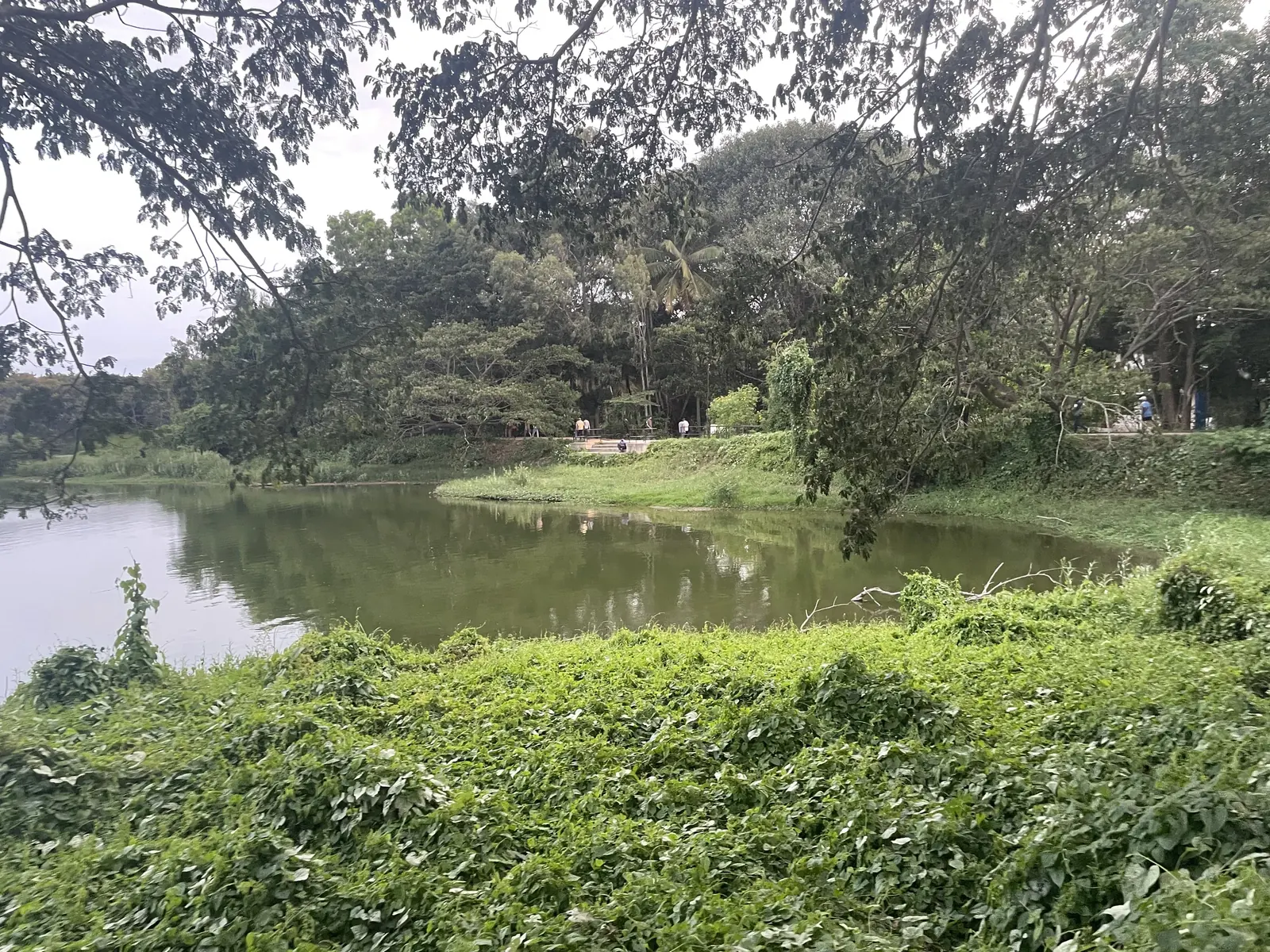
A large waterbird that can be seen using lakes and wetlands for feeding and resting.
A striking wetland bird associated with shallow waters and areas rich in aquatic food.
A stork commonly associated with wetlands and known for its distinctive bill.
A dark waterbird often seen swimming, diving or resting near the water.
A long-necked waterbird that is adapted to hunting in the water.
Often seen quietly waiting near shallow water for prey.
A large wading bird that frequents wetlands and lake margins.
A small white heron commonly associated with shallow water.
A familiar white egret that can be found in both wetland and terrestrial habitats.
A distinctive raptor frequently associated with lakes, rivers and coastal or inland wetlands.
A conspicuous ground bird often found around open areas and wetland edges.
A small, colourful bird that hunts around water.
Birdwatching is not only about finding rare species. Look at the way birds use the lake:
Birds search shallow water, vegetation and mudflats for food.
Branches, rocks and quiet areas provide places to rest.
The open surface of the lake provides space for birds to move between habitats.
Trees and vegetation around wetlands can provide important shelter and nesting habitat for some species.